SooAh Lay
Founder, Avakas LabMechanical engineering, Bucknell University ’27
She grew up in Cambodia wanting to build things that go to space, with no clear route into engineering. Avakas Lab is the route she is building for everyone else — a working satellite that fits inside a soft drink can, and a week that puts one in a student’s hands.
The path she didn’t have
SooAh Lay grew up in Cambodia, curious about space and about how things worked. There was no obvious route from that curiosity into engineering, and engineering was not the norm for the girls around her. For a while, the interest went quiet.
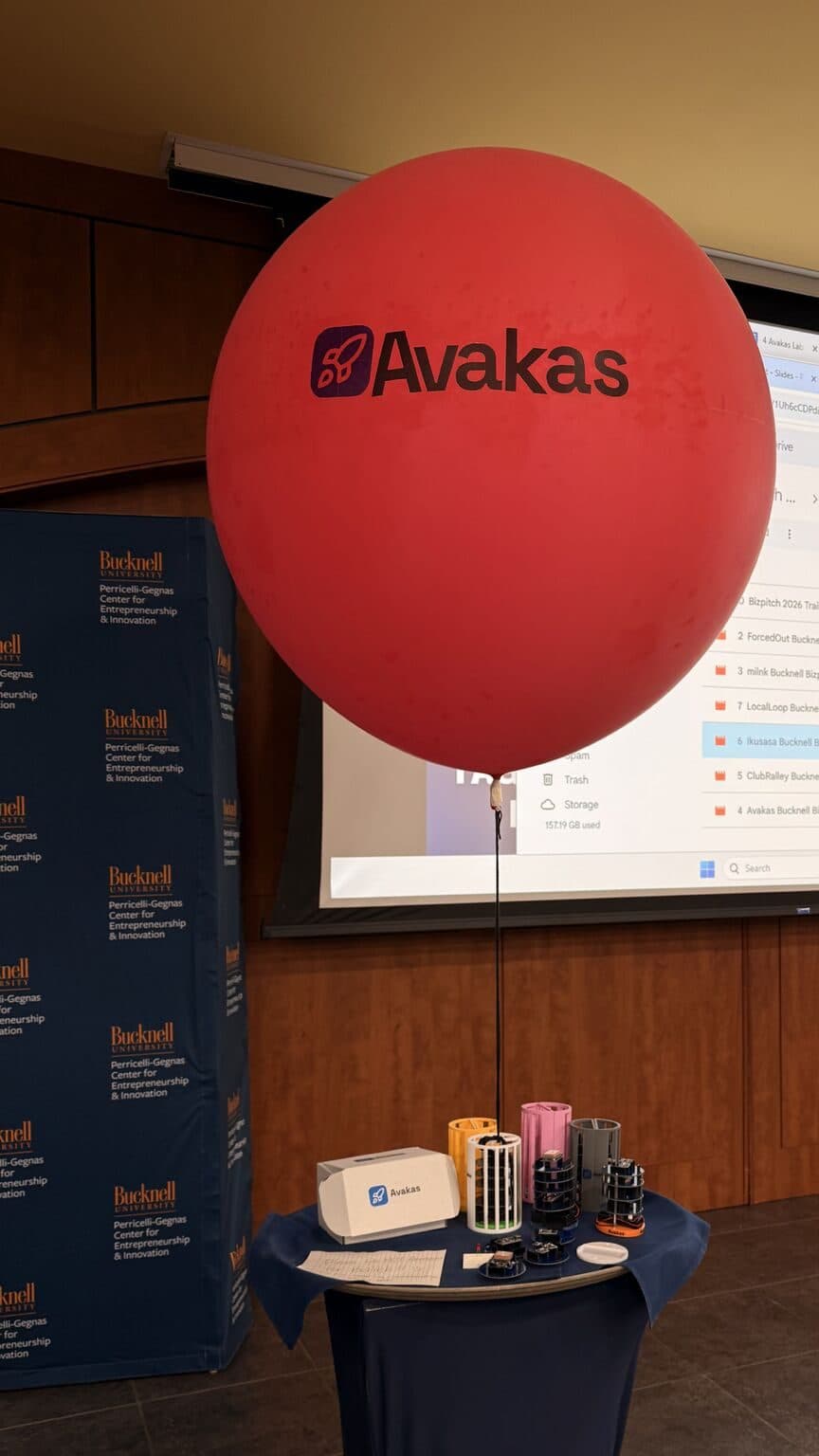
It came back through building — through hands-on problem solving, which is exactly how she now teaches it. She is studying mechanical engineering at Bucknell University, where the CanSat Learning Kit was developed with support from the Perricelli-Gegnas Center for Entrepreneurship & Innovation and the Pennsylvania Small Business Development Centers.
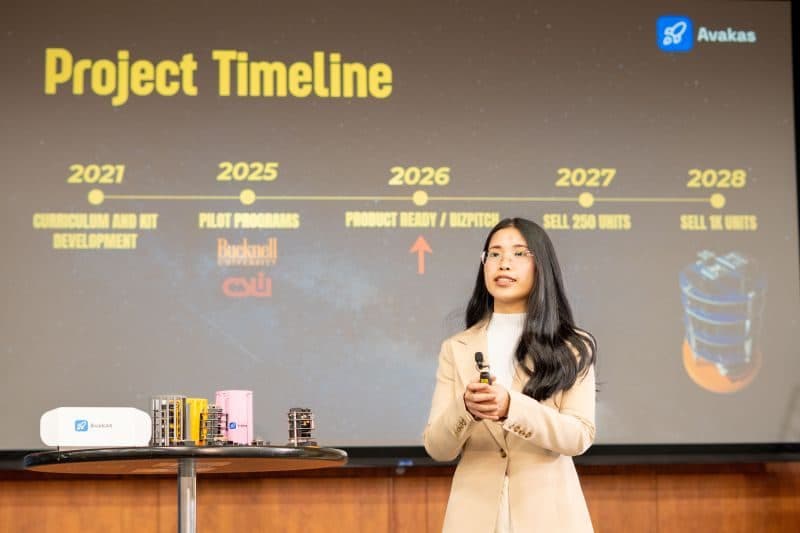
Avakas Lab began in 2021 in Phnom Penh as a small-satellite research effort. The CanSat Learning Kit is what it grew into: one integrated system that carries a student through mechanical, electrical, coding, and aerospace engineering, with no prior experience assumed.
“I often wish I had more opportunities growing up to explore engineering, build confidence, and stay on that path earlier. Now, I want to help give that opportunity to the next generation.”
One kit, four disciplines
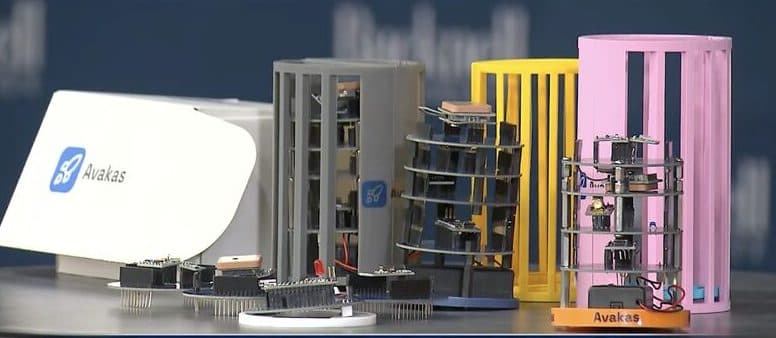
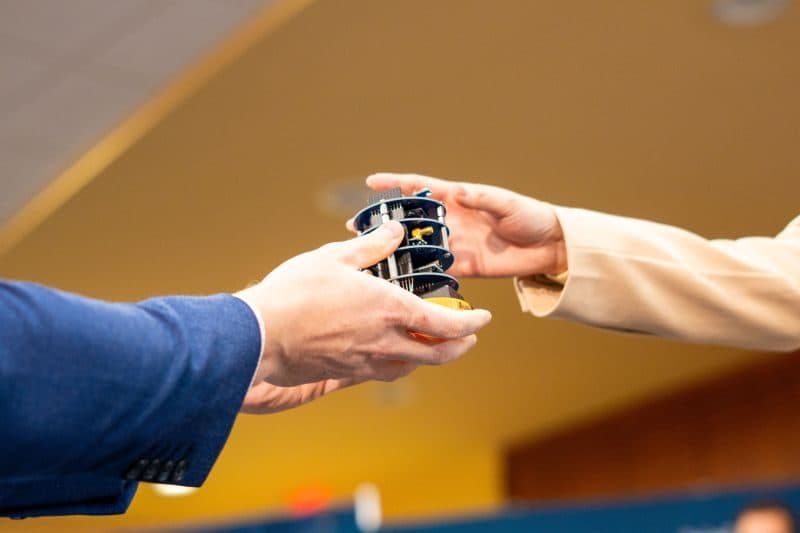
A CanSat is a working satellite simulation built inside the volume of a soft drink can. Avakas Lab’s version ships as a reusable kit with a learning platform behind it, so a student who has never touched a microcontroller still gets all the way to a launch.
Since 2021
Avakas Lab
A virtual space laboratory in Phnom Penh for small-satellite research and development, set up to promote space R&D in Cambodia. Its work runs from curriculum and training tools for space education to a CubeSat operating system and orbital dynamics simulation.
The product
The CanSat Learning Kit
A hands-on engineering kit with a supplementary web-based learning platform, built to be used more than once. Mechanical, electrical, coding, and aerospace engineering arrive as one system rather than as four separate subjects.
The record
What has actually happened, and when.
2021
Avakas Lab is founded
A virtual space laboratory in Phnom Penh working on small-satellite research and development for Cambodia — curriculum and training tools for space education, and preparation for national and international space competitions.
Summer 2025
The first cohort
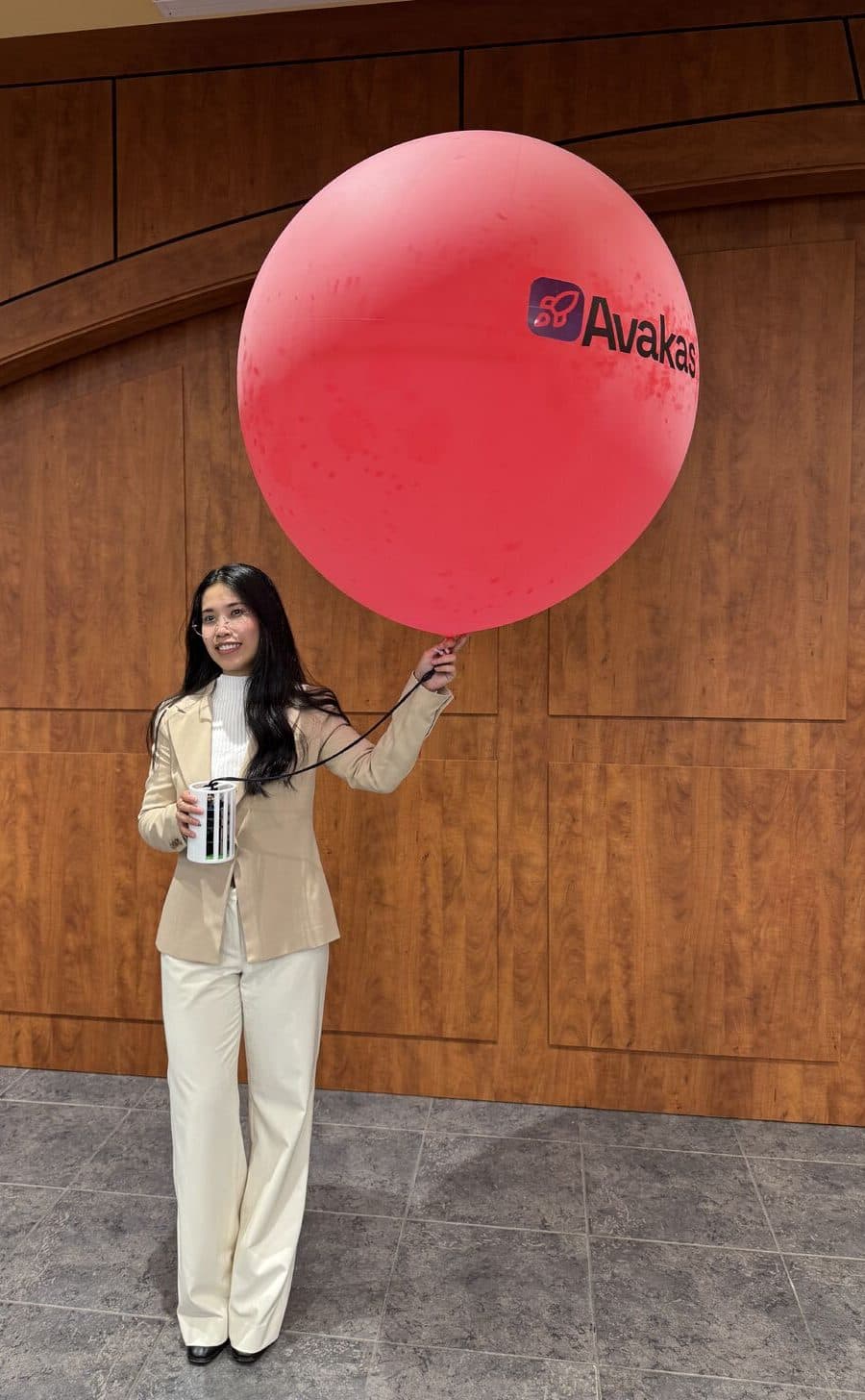
About a dozen students in grades six through twelve built and launched their own CanSats over five days in Milton, Pennsylvania, hosted by the Central Susquehanna Intermediate Unit. Helium balloons carried the cans past 100 feet; the payloads logged altitude, temperature, light intensity, and air pressure on the way down.
Summer 2025
Bucknell Engineering Camp
High-school campers built can-sized satellites and launched them on Bucknell's campus, tracking their data through the whole flight.
April 2026
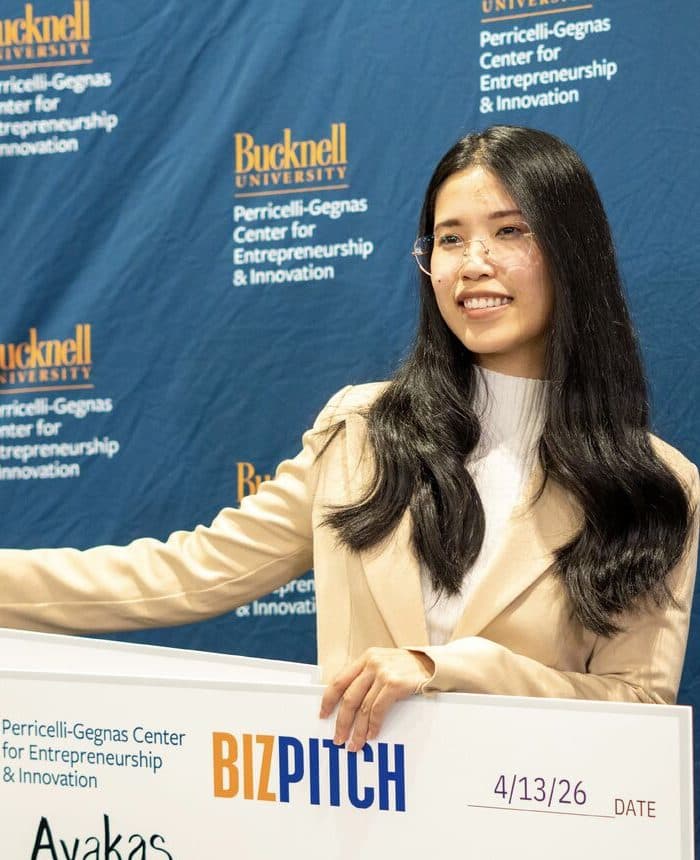
Second place and the Change Maker Award at BizPitch
Avakas Lab took Second Place and the Change Maker Award at Bucknell's BizPitch — $2,500 for each — pitching the CanSat Learning Kit to a panel of alumni judges. The Change Maker Award recognises the social impact behind a project.
2026
ASEE Conference
Hosting a CanSat workshop and presenting a paper on her findings at the American Society for Engineering Education annual conference.
“CanSat is more than just a product; it represents a mission to make hands-on aerospace and engineering learning more accessible to students.”